
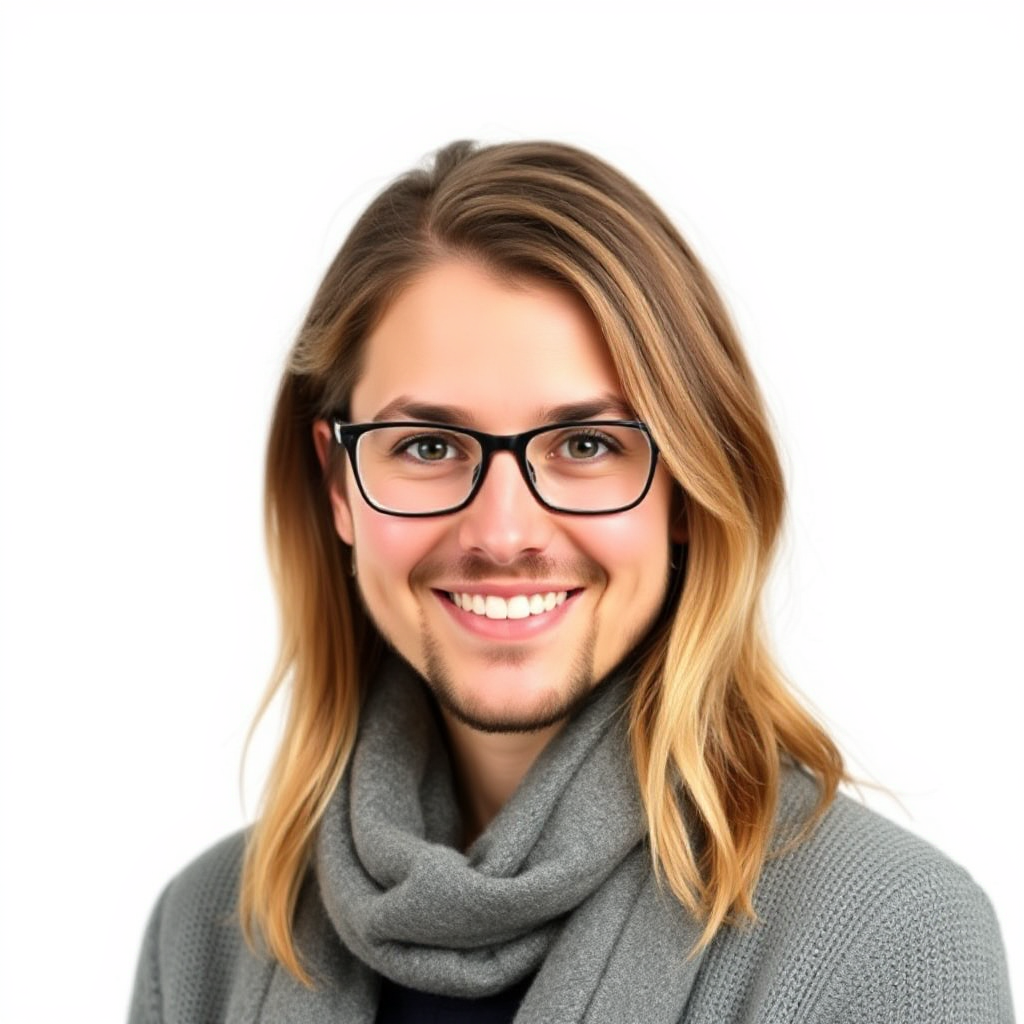
The star enters the digital interview and right away begins an apology. “I can’t believe I’m late!” she says, sounding really apologetic. Despite being only a couple of minutes late, she feels compelled to explain. “I have such a problem, because I’m a yapper on the phone. “Previous discussions went over, and I realized I talk too much!” Fortunately, for a writer, that’s precisely what is ideal to experience. Besides, it’s fairly unsurprising. Viewers familiar with her boldly LGBTQ+ and outspoken film titled Bottoms—that she collaborated on with Emma Seligman and starred in with close companion Ayo Edebiri—would already know that she holds a lot to discuss, be it about roles, intimacy, or the pros of forming a high-school combat group. And, after watching the latest multi-episode HBO series I Love LA, viewers realize that the star has even more thoughts regarding the challenges of young adulthood (As a millennial, Sennott serves as an honorary member to younger audiences, a tale-end millennial with a knack for bridging both generations).
Inspirations and Creative Vision
The comparisons to the iconic series Girls are inevitable and Sennott admits to being a fan, referencing the show alongside the HBO hit, Insecure and Atlanta as influences for her series, which details the journey of an influencer Tallulah and her friend who is also fledgling talent manager portrayed by Sennott. Perhaps, the most significant influence on creative vision went to the HBO series, that show depicting a rising celebrity making his way in an often-seedy Hollywood (choice quote: “nobody’s happy in this town except for the losers”). She started watching it amid lockdown, became “captivated”, and chose to add a fresh perspective on it “with female and queer audiences in mind”.
“I wanted to make a show where the internet, not Hollywood, was the industry, because my career started online,” she notes. The concept for the series came—in part—from personal, at first difficult, relocation to Los Angeles and from her cosmic event, a frequently discussed occurrence for astrology heads. That period marked an era that included her understand some big truths, work-wise and personally. “In my early 20s I was so messy, crying in public everywhere, all the time,” she says. “After relocating to Los Angeles in my mid-twenties, I found stability, only for things to crumble. It was almost like these biblical tests …”
Early Beginnings
Brought up in New England, the star began writing and performing stand-up while enrolled in acting at New York University (NYU) Tisch School of the Arts. “I went through all the proper channels to try to perform, and they weren’t gelling,” she explains. “Every campus humor group turned me down after tryouts.” I tried out for all the NYU plays and didn’t make it into any of them. “It left me questioning my purpose and place.”
Sennott took matters into her own hands, performing at live shows with Ayo and uploading hilarious (and distinctly) bizarre online content on the internet. A particular video, Baby Cult, depicted characters intensely fixated on having babies; another imagined working at the preppy clothing store Hollister as akin to being caught in a horror film. By chance, she met Seligman through campus film circles and eventually appearing in her initial project, Shiva Baby, a tense comedy set at a religious event with hints of Uncut Gems. The big theme of her journey, she notes, has been people her own age offering opportunities, instead of the industry at large. So the old guard wasn’t helpful? “Definitely not them”, she confirms, adding with a laugh: “They don’t want us to win.”
Manifesting Dreams
Anyone who questioned about her then will likely be feeling foolish currently. Through she describes as a “astonishingly complete” development, she seems to have created the perfect project. A few years back she posted a clip called about Los Angeles on social media, in which she mocked Hollywood trailers (“Everyone’s hooked on something”). Now, she’s a lead creator (with the co-writer) of a comedy about LA residents juggling advantages of digital stardom (such as socializing at a celebrity’s house) with drawbacks (your friend being suspected of being a drug-addled thief, and possibly becoming a unreliable pariah). Some could tempting to create a program about online fame that was overly glamorous—or, more problematic, one that belittled at its subjects. The series steers clear of each, creating a depiction of advantaged millennial existence that’s frank about the mess and the appeal.
Nuanced Portrayal
“Numerous series present younger generations and digital culture in a derogatory manner,” she comments. “I think that young people have been through a lot – I’m mostly thinking of people younger than me, like my little sister, who went to college during Covid, so she had to come home, or my other sister who was doing school online.”|“The younger generation has faced significant

